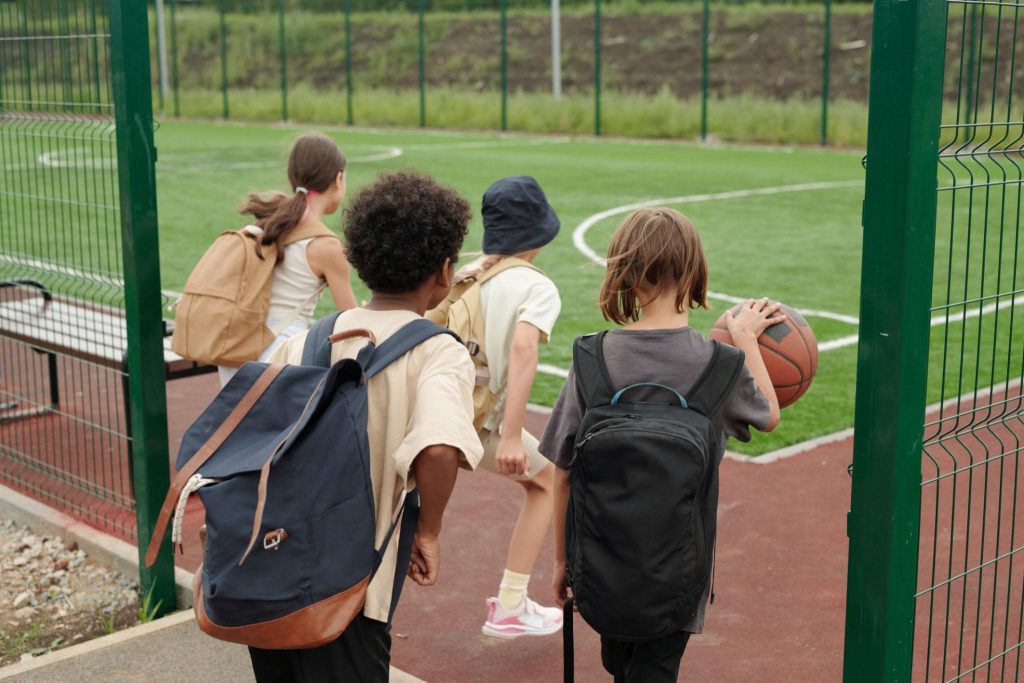
The Digital Shift and the Physical Gap
Today’s world has changed childhood in a big way. If you look around, you’ll notice kids are spending more time on screens than ever before. Phones, tablets, gaming systems, and streaming apps have become part of daily life. Outdoor play, which once felt natural and constant, is slowly becoming less common.
This shift has brought comfort and entertainment, but it has also created concerns. Parents, teachers, and coaches are seeing more children struggle with inactivity, stress, and social disconnection. Kids may feel connected online, but many still feel lonely or overwhelmed in real life.
That’s why youth sports matter more than ever. They are not just activities anymore. They are tools for growth, balance, and healthy development in a digital-heavy world.
Youth sports bring structure, discipline, teamwork, and emotional strength. They also provide physical activity that screens simply cannot replace. In many ways, they act as a grounding force for today’s youth.
The Impact of the Digital World on Today’s Youth
Screen time has increased rapidly in recent years. Many children and teenagers now spend hours each day on devices. Gaming, social media, and video streaming are designed to keep attention locked in for long periods.
Because of this, physical movement has decreased. Kids sit more, play less outside, and often miss out on active routines. This shift has contributed to growing concerns about health and fitness at younger ages.
Mental health is also affected. Social media can create pressure through comparison. Kids often feel like others are doing better, looking better, or living better lives online. This can lead to anxiety, low confidence, and attention issues.
The digital world connects children virtually but often disconnects them emotionally and physically.
Why Youth Sports Are More Important Today Than Ever
This is where youth sports become powerful. They bring balance into a screen-heavy lifestyle. They create structure in a world full of distraction.
Practice schedules, team commitments, and games help children build discipline and consistency. These routines shape habits that stay with them for life.
Sports also act as a natural break from screens. When kids are playing, they are fully present. They are moving, thinking, and reacting in real time. There is no scrolling, no notifications, and no digital distraction.
Many people describe this simple truth in stories like a youth basketball coaching memoir, where coaches often realize that real growth happens when kids step away from screens and step onto the court. That’s where confidence and focus begin to grow.
Sports also teach healthy competition. Kids learn how to win with humility and lose with grace. They learn that improvement takes time and effort, not instant results.
This idea connects closely with reflections found in “More Than 25 Cents Dennis Pysnack,” which highlights how even small moments in youth sports can carry deep meaning and long-term life lessons.
Social Development Through Sports
Youth sports play a huge role in helping kids build real social skills. Unlike online interactions, sports require face-to-face communication. Kids learn how to talk, listen, and work with different personalities.
On a team, you cannot hide behind a screen. You have to show up, participate, and cooperate. That builds confidence in communication and teamwork.
Sports also help create real friendships. These friendships are built through shared effort, practice, wins, and losses. They are not based on likes or followers but on real-life experiences.
Many stories found in a youth basketball coaching memoir show how players often remain friends long after their seasons end. These bonds become some of the most meaningful relationships in their lives.
Sports also create a strong sense of belonging. Kids who may feel left out in digital spaces often find their place in a team. They feel included, supported, and valued.
Emotional and Mental Health Benefits
Youth sports have a strong impact on emotional well-being. One of the biggest benefits is confidence. When a child improves through practice and effort, that achievement builds real self-esteem.
Sports also help reduce stress. Kids today deal with academic pressure, social pressure, and digital overload. Physical activity gives them a healthy outlet to release that stress.
Another important benefit is emotional control. In games, things do not always go your way. You miss shots, lose matches, or face challenges. But sports teach kids how to stay calm, adjust, and try again.
These lessons help build resilience and patience, which are important for life beyond sports.
Life Skills That Go Beyond the Game
Youth sports are one of the best places for learning life skills. Leadership is one of the biggest. Some kids become captains, while others lead through effort and attitude. They learn leadership by doing, not by reading.
Time management is another skill that naturally develops. Kids learn how to balance school, practice, rest, and personal time. This teaches responsibility early in life.
Accountability also becomes important. When you are part of a team, people depend on you. You learn to show up on time, give effort, and stay committed.
Many lessons from a basketball program history book show how structured youth programs helped shape disciplined players and strong community values over time.
The Role of Parents and Communities
Parents play a key role in youth sports. Support matters more than pressure. When parents encourage effort instead of focusing only on winning, kids enjoy the experience more and grow with a healthier mindset.
Communities also play a big role. Local leagues, school teams, and booster organizations make sports possible for many children. Without them, many kids would not have access to organized sports.
A strong community booster club story often shows how volunteers come together to raise funds, organize events, and support teams. These efforts quietly shape the future of young athletes.
Another inspiring community booster club story highlights how small groups of dedicated people can keep youth programs alive for years, even with limited resources.
Challenges Facing Youth Sports Today
Even though youth sports are important, they face challenges. One of the biggest is cost. Fees, uniforms, equipment, and travel can make participation difficult for some families.
Another challenge is pressure. Some kids are pushed too hard too early, leading to burnout and loss of interest. Early specialization can take away the joy of playing.
Technology also creates balance issues. While digital tools can support training, they should not replace real physical activity. The goal is to use technology wisely, not depend on it completely.
Even ideas from More Than 25 Cents Dennis Pysnack remind us that real growth often comes from simple, real-world experiences rather than constant digital performance tracking.
Real-World Impact Stories
In many small towns, youth sports are more than just games. They are part of community identity. Kids grow up together, play together, and learn together.
The Seneca Falls community book highlights how local sports programs helped shape strong community bonds and gave young people direction in life. Another Seneca Falls community book reflection shows how sports created unity among families and neighbors over time.
These stories show how sports influence not just individuals but entire communities.
Former players often return later as coaches or mentors. A youth basketball coaching memoir often shares how athletes carry lessons from their playing days into adulthood and pass them on to the next generation.
A basketball program history book also shows how long-running programs build traditions that last for decades and shape community pride.
Rebuilding the Balance Between Digital and Physical Worlds
We do not need to remove technology from children’s lives. Instead, we need balance. Kids can use digital tools for learning and improvement, but they also need real physical activity.
Schools play a major role in this balance through physical education and after-school sports programs. These activities help students stay active and socially connected.
Communities, parents, and schools all share responsibility. When they work together, children get the support they need to grow in a healthy way.
Even small efforts, like those seen in More Than 25 Cents Dennis Pysnack, show how community involvement can create lasting impact in youth development.
Conclusion
Why Youth Sports Are No Longer Optional
We live in a digital world, and that will not change. But balance is still possible, and it is more important than ever.
Youth sports provide something screens cannot. They provide real movement, real friendships, real challenges, and real emotional growth.
They teach discipline, teamwork, leadership, and resilience. They help kids become more confident and connected in real life.
In today’s world, youth sports are not just optional activities. They are essential for raising healthy, balanced, and strong young people who can handle both the digital and real world with confidence.