How One Community Built a Lasting Youth Basketball Legacy
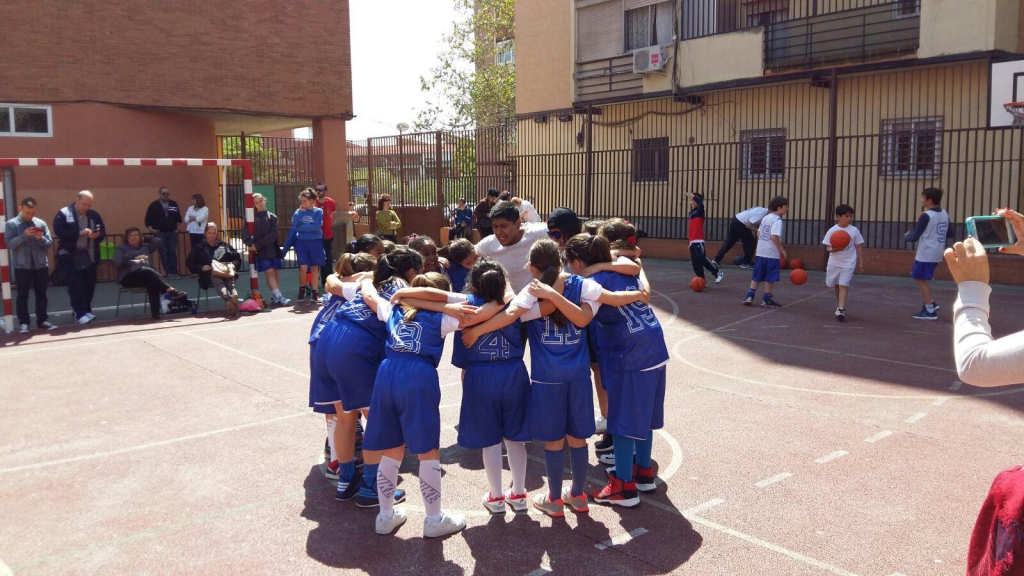
When people think about youth basketball, they often think about competition, championships, and final scores. They picture packed gyms, exciting games, and young athletes chasing victory. While those moments are certainly memorable, the true impact of youth sports reaches much further than the scoreboard. In many communities, basketball becomes a powerful force that brings people together, creates opportunities for young athletes, and helps shape future generations. It becomes a place where children learn valuable life lessons, families build lasting relationships, and communities develop a shared sense of pride.
The story told in More Than 25 Cents Dennis Pysnack perfectly captures this idea. What began as a simple effort to provide local children with an opportunity to play basketball eventually grew into something much larger. It became a community tradition built on service, dedication, and a commitment to helping young people succeed. The story demonstrates that sports are not just about developing athletes they are about developing confident, responsible, and compassionate individuals. At its heart, this journey began with one simple belief: every child deserves the opportunity to participate.
Building Something Bigger Than Basketball
Every lasting legacy starts with a vision. In the early days, community leaders recognized that local youth needed positive activities that could teach discipline, teamwork, and responsibility. There were challenges from the start. Funding was limited, facilities were modest, and resources were often stretched thin. However, what the program lacked in financial support, it made up for with passion and commitment.
A small group of volunteers stepped forward and decided to make a difference. Parents offered their time, coaches volunteered their expertise, and community leaders provided support wherever possible. Youth basketball was chosen because it was accessible and inclusive. Children of different skill levels could participate, learn, and grow together. The goal was never simply to create championship teams. Instead, the goal was to create opportunities for young people to learn, compete, and develop in a positive environment.
As word spread, more families became involved. Local businesses began supporting the program, and community members started attending games and events. What started as a modest effort quickly became a source of community pride. This growth serves as a reminder that great programs rarely begin with large budgets or elaborate plans. They begin with ordinary people who are willing to invest their time and energy into creating something meaningful.
Giving Every Child a Place to Belong
One of the greatest strengths of any youth sports program is its ability to create opportunities for everyone. Not every child enters a gym with confidence. Some arrive nervous and unsure of themselves. Others may be trying a sport for the first time. Successful programs understand that participation matters just as much as performance.
As the basketball program expanded, organizers created opportunities for athletes of all ages and skill levels. Beginner clinics introduced younger children to the fundamentals of the game. Recreational leagues provided a welcoming environment for participation, while competitive teams offered advanced players opportunities to challenge themselves. Summer camps and instructional clinics further expanded access and helped young athletes continue developing their skills.
The impact of these opportunities often goes beyond basketball. Imagine a child who struggles with self-confidence stepping onto the court for the first time. Through encouragement from coaches and teammates, that child begins to believe in themselves. They learn that mistakes are part of growth and that improvement comes through effort. Those lessons can influence every area of life, from academics to future careers. By creating inclusive environments where every child feels valued, communities strengthen not only their sports programs but also the young people who participate in them.
More Than Teachers of the Game
One of the most important factors in the success of any youth sports program is the quality of its coaches. Great coaches teach far more than basketball skills. They become mentors, role models, and trusted leaders. Long after players forget individual game scores, they often remember the lessons, encouragement, and support they received from their coaches.
Coaches have a unique opportunity to shape young lives. They teach athletes how to handle success with humility and how to respond to setbacks with resilience. They encourage teamwork, accountability, and personal responsibility. Through practices and games, they help young athletes develop habits that will serve them throughout their lives.
The experiences highlighted in this inspiring youth basketball coaching memoir demonstrate the profound impact that dedicated coaches can have on generations of players. Many former athletes who participated in these programs went on to become successful professionals, educators, community leaders, and mentors themselves. Their achievements were not solely the result of athletic development. They were shaped by the life lessons and values instilled by coaches who cared deeply about their growth both on and off the court.
A coach may never fully realize how many lives they influence. A few encouraging words at the right moment can change a young person’s future. That kind of impact creates a legacy that extends far beyond any championship trophy.
The Unsung Heroes Behind the Success
While players and coaches often receive much of the attention, every successful youth sports program depends on countless volunteers working behind the scenes. These individuals dedicate countless hours to organizing events, managing registrations, maintaining facilities, coordinating tournaments, and raising funds. Without their efforts, many programs simply would not survive.
Booster clubs play a particularly important role in supporting youth athletics. Their contributions go far beyond fundraising. They help build partnerships within the community, support coaches and athletes, organize special events, and create opportunities that might otherwise be unavailable. Their work often happens quietly, without recognition, but its impact is enormous.
The dedication of volunteers is one of the central themes explored in the SF Booster Club book. Through years of service, these individuals helped build a program that positively affected thousands of young athletes and their families. Their efforts demonstrate the power of community involvement and remind us that meaningful change often happens because ordinary people choose to give their time and talents to help others.
The success of youth sports programs is rarely the result of one individual. Instead, it comes from a collective commitment to supporting young people and creating opportunities for future generations.
How Basketball Strengthened an Entire Community
Youth sports have a unique ability to unite people. Basketball became much more than a recreational activity. It became a gathering place where families connected, friendships formed, and community pride flourished. Parents spent countless hours supporting their children. Local businesses contributed resources and sponsorships. Volunteers and coaches worked together toward common goals.
Over time, traditions developed. Families who once participated as players returned years later as coaches, volunteers, and supporters. Children grew up watching older athletes and eventually became role models for the next generation. These shared experiences created a strong sense of belonging and community identity.
The story presented in More Than 25 Cents Dennis Pysnack illustrates how sports can strengthen relationships across generations. It highlights the idea that community success is built through collaboration and shared purpose. Basketball became a vehicle for bringing people together, creating lasting friendships, and fostering a culture of support that extended far beyond the gymnasium.
Few activities can connect people in the same way that youth sports do. They create opportunities for meaningful interactions and provide common experiences that families and communities can share for years to come.
Lessons That Last a Lifetime
One of the greatest benefits of youth athletics is the life skills they help develop. While basketball teaches dribbling, shooting, and teamwork, it also teaches lessons that remain valuable long after an athlete’s playing days have ended.
Through sports, young people learn how to communicate effectively, work as part of a team, and persevere through challenges. They learn leadership, accountability, and the importance of setting goals. They discover how to manage their time, balance responsibilities, and remain committed even when progress is difficult.
These qualities are highly valued in every aspect of life. Employers seek individuals who can collaborate effectively and demonstrate resilience. Educators appreciate students who understand discipline and responsibility. Communities benefit from leaders who know how to work with others toward common goals.
This is one reason why many readers view this inspiring basketball program history book as more than a sports story. It serves as a reminder that athletics can be a powerful tool for personal growth and character development. The lessons learned through youth sports often become the foundation for future success in careers, relationships, and community involvement.
Adapting Through Challenges and Change
No organization survives for decades without facing obstacles. Economic challenges, changing participation trends, aging facilities, and leadership transitions all create difficulties that must be addressed. The ability to adapt while staying true to core values is one of the reasons this basketball program endured for so many years.
Leaders understood that growth required flexibility. They embraced new ideas, recruited new volunteers, and found creative ways to meet the changing needs of young athletes. At the same time, they remained committed to the program’s original mission of providing opportunities for youth development and community engagement.
The story captured within the SF Booster Club book demonstrates that successful organizations do not resist change. Instead, they adapt while preserving the principles that made them successful in the first place. This balance between tradition and innovation allowed the program to remain relevant and impactful across multiple generations.
A Legacy That Continues Today
What truly defines a lasting legacy? It is not measured by trophies, banners, or championship records. Those accomplishments are meaningful, but they do not tell the whole story. A true legacy is measured by people.
It can be seen in former athletes who return to coach and mentor the next generation. It can be found in volunteers who continue serving their communities year after year. It appears in the confidence, leadership, and character displayed by individuals whose lives were shaped by positive sports experiences.
The powerful message found throughout this youth sports community building book is that investing in young people creates benefits that extend far beyond the present moment. Every child who participates gains experiences and lessons that influence their future. Those individuals then carry those values into their families, careers, and communities.
That cycle of positive influence continues generation after generation. It is the reason why a community sports program can leave a lasting impact long after the final whistle blows.
What Other Communities Can Learn
The lessons from this story can be applied in communities everywhere. Building a successful youth sports program does not require unlimited resources. It requires commitment, collaboration, and a shared vision.
Communities can start by focusing on people rather than facilities. They can recruit volunteers, develop strong leadership, and build partnerships with local organizations. They can prioritize youth development over winning and celebrate the contributions of everyone involved.
The experiences documented in this respected basketball program history book provide a valuable blueprint for creating sustainable and impactful youth programs. Likewise, this meaningful youth sports community building book demonstrates that when communities invest in relationships, mentorship, and service, they create opportunities that benefit generations.
More Than a Basketball Program
At its core, this story is not about basketball. It is about people coming together to create opportunities for young athletes. It is about volunteers who gave their time, coaches who became mentors, parents who offered support, and community leaders who believed in investing in the future.
The lessons shared in this inspiring youth basketball coaching memoir remind us that success cannot always be measured by wins and losses. Sometimes the greatest achievements are found in the confidence gained by a young athlete, the friendships formed through teamwork, or the leadership skills developed through competition.
The story also reinforces the message that strong communities are built through service, dedication, and shared purpose. Through the experiences documented in this remarkable youth basketball coaching memoir, readers gain insight into how sports can transform lives and strengthen entire communities.
The true measure of any youth sports program is not found in record books or championship banners. It is found in the lives it touches, the opportunities it creates, and the generations it inspires. When a community comes together with a common purpose, it can build something far greater than a basketball program. It can build a legacy that lasts for decades.