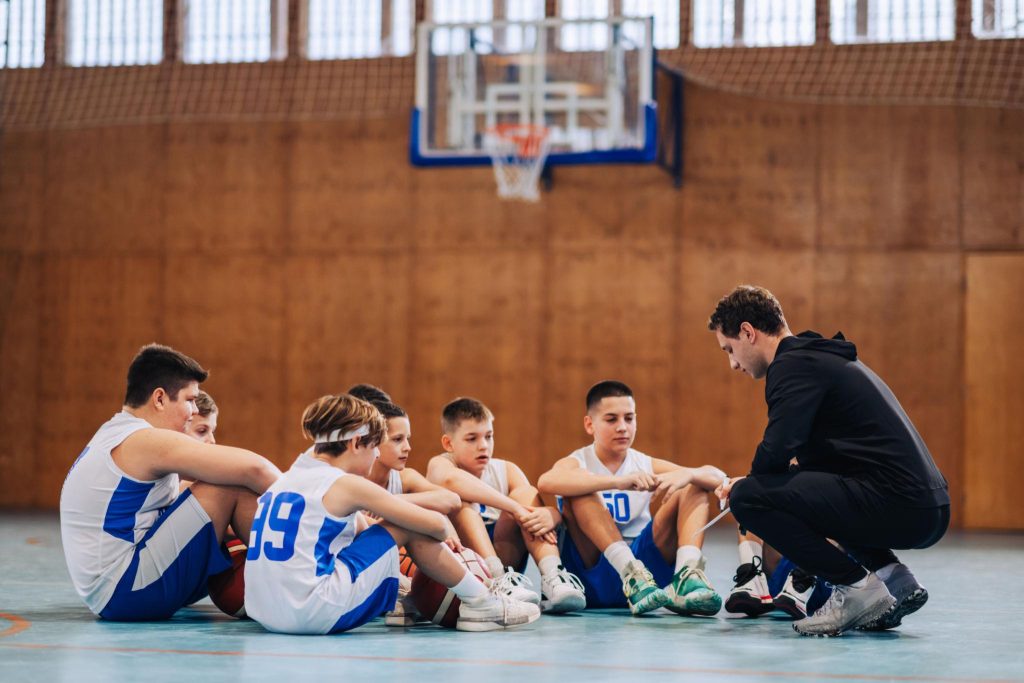
Why Coaching Is Bigger Than Winning
Have you ever looked back at your youth sports days and realized something surprising? You might not remember every score, and most of the wins and losses probably blur together. But you do remember your coach. You remember how they spoke to you after a mistake, how they pushed you to keep going, or how they believed in you even when you didn’t believe in yourself.
The final score is forgotten but the lessons last a lifetime.
Today, youth sports are more competitive than ever. Rankings, travel teams, and early specialization put a lot of pressure on young athletes. It often feels like winning is everything. But if we slow down and think about it, sports are much more than that. They are training grounds for life.
Coaching is not just about developing athletes it is about developing responsible, resilient, and disciplined human beings. Many people even reflect on this through a youth basketball coaching memoir, where personal stories reveal lessons far beyond the court. Others explore it through a basketball program history book, where teams are shown as part of something bigger than just games. In the end, coaching is about shaping people, not just players.
The Role of a Coach as a Life Mentor
A coach is much more than someone who runs practice or draws plays. A great coach is a mentor, an educator, and often a role model who leaves a lasting mark on young lives. Their influence goes far beyond the court or field. It shows up in how athletes handle challenges, treat others, and carry themselves in everyday life.
Trust is at the heart of coaching. Players need to trust their coach, and coaches need to trust their players. This trust is built slowly through consistency, honesty, and care. Families also become part of this circle of trust, creating a supportive environment where young athletes can grow. Many times, a community booster club story highlights how parents and volunteers quietly help build that foundation behind the scenes.
What makes a coach truly powerful is leading by example. Players notice everything—how a coach reacts under pressure, how they speak to referees, and how they treat every player, not just the best ones. Actions always speak louder than words. A coach who stays calm teaches calmness. A coach who shows respect teaches respect.
The truth is simple: a coach’s biggest impact often happens in small, quiet moments, not just during games.
Teaching Discipline and Accountability
One of the first lessons sports teach is showing up. It sounds simple, but it means a lot. Showing up on time, paying attention, and giving effort even when you don’t feel like it builds discipline. Over time, this becomes a habit that carries into school, work, and life.
Mistakes are also part of the journey. Everyone makes them. A missed shot, a bad pass, or a poor decision is not the end it’s feedback. Good coaches teach athletes to own their mistakes instead of blaming others. That mindset helps players grow stronger and more aware of their actions. Many lessons like these are often shared in a youth basketball coaching memoir, where athletes realize that their biggest growth came from failure, not success.
Structure is another important part of development. Practice schedules, repetition, and preparation may feel strict at first, but they build confidence over time. When athletes prepare well, they perform better. Discipline becomes the foundation for success, both in sports and in life.
Building Character Through Competition
Winning feels great, but how you win matters just as much. Learning to win with humility is an important lesson in sports. Respecting opponents and staying grounded keeps success meaningful. No one likes arrogance, and great coaches make sure players understand that.
On the other hand, losing teaches even deeper lessons. Losses are painful, but they are powerful teachers. They force reflection. They push athletes to improve. Learning to lose with grace builds emotional strength and maturity. Many teams featured in a basketball program history book show that their strongest seasons often came after their toughest losses.
Fair play is another key value. Respecting rules, referees, and teammates builds integrity. Sports are not just about competition they are about character. And character is often revealed more clearly in defeat than in victory. Anyone can celebrate when they win, but it takes real strength to stay respectful when things don’t go your way.
Developing Leadership Skills in Young Athletes
Leadership in sports is not limited to team captains or star players. It is something every athlete can learn. Coaches play a major role in teaching leadership by encouraging responsibility, communication, and teamwork in all players.
Young athletes learn to speak up, whether it’s calling for the ball or encouraging a teammate. These small moments build confidence over time. Leadership is not about being loud it is about being responsible and supportive. Many inspiring examples found in a youth basketball coaching memoir show how even quiet players grow into leaders through consistent encouragement.
Leadership also means thinking about others. Sports are never about one person alone. Every player depends on the team. True leadership is service—lifting others, supporting teammates, and putting the group first.
Emotional Growth Through Sports
Sports naturally bring pressure. Whether it’s a close game or an important moment, athletes learn how to manage stress. They learn how to stay focused even when their heart is racing. This emotional control becomes useful far beyond sports, helping in exams, interviews, and life decisions.
Confidence is another important outcome. It does not appear instantly it builds slowly through small successes. One good pass, one strong practice, or one encouraging word from a coach can make a big difference. Over time, these moments build belief in oneself.
Frustration is also part of the journey. Everyone misses shots or makes mistakes. The difference is how you respond. Sports teach patience, resilience, and the ability to try again without giving up.
Teamwork and Social Development
Every team is made up of different roles. Not everyone can be the top scorer, and that is completely fine. Some players defend, some support, and some motivate. Every role matters. Even players who don’t start games contribute by pushing others to improve.
Communication is another key skill. Teams that talk well perform better. But communication is not just about speaking it is also about listening. Listening to coaches and teammates builds understanding and trust.
Over time, sports also create lifelong friendships. Shared experiences, struggles, and victories bring people together. Many of these relationships last long after the season ends. A community booster club story often shows how entire neighborhoods come together through sports, building connections that go beyond the game.
Life Lessons That Extend Beyond Sports
Sports teach important life skills like time management. Athletes quickly learn how to balance school, practice, rest, and personal life. They understand that planning matters.
Work ethic is another major lesson. Talent helps, but effort makes the real difference. Extra practice, extra focus, and extra dedication separate good players from great ones. Many lessons like these are often documented in a basketball program history book, showing how consistent effort builds strong teams over time.
Respect for authority is also important. Coaches, referees, and teachers all play roles in shaping growth. Learning to respect structure prepares athletes for real-world responsibilities.
At the core, sports act as a rehearsal for life. The challenges faced on the field prepare young people for challenges off it.
The Parent-Coach Partnership
Youth sports work best when parents and coaches work together. Coaches guide athletes, while parents reinforce those lessons at home. When both sides are aligned, kids benefit the most.
It is important not to focus only on winning. Growth, learning, and enjoyment matter more in the long run. Sports should help kids build confidence, not pressure.
Communication between parents and coaches should always be respectful and open. Even when disagreements happen, the focus should stay on what is best for the child. Many community booster club story examples show how strong collaboration between families and coaches builds healthy sports environments.
Challenges in Modern Youth Coaching
Modern youth sports face new challenges. One major issue is the pressure to win at an early age. Many kids specialize too soon and lose the joy of playing. This can lead to burnout.
Parents also bring strong emotional investment, which can sometimes create pressure instead of support. Balancing expectations is important for healthy development.
Another challenge is keeping sports fun while still teaching discipline. If the game becomes too serious too early, kids may lose interest. Stories from a Seneca Falls community book often highlight how local programs try to keep sports enjoyable while still teaching valuable lessons to young athletes.
Real Impact of Coaching Beyond the Game
The influence of coaching lasts long after players stop competing. Many former athletes go on to become leaders in their workplaces, families, and communities. The lessons they learned through sports continue to guide them.
Some powerful transformations are often shared in a youth basketball coaching memoir, where players reflect on how a coach changed their life direction. Others are recorded in a basketball program history book, showing how entire programs shape generations of athletes.
The ripple effect is real. One coach can influence dozens of players. Those players then influence others. Over time, this impact spreads through entire communities. A Seneca Falls community book often reflects this idea by showing how local sports programs strengthen community identity across years.
Conclusion
The True Measure of Coaching
In the end, scores fade and trophies gather dust. What remains is the impact a coach has on people’s lives. Coaching is not about building perfect athletes. It is about building strong, confident, and responsible human beings.
The best coaches are remembered not for their records, but for the lives they changed. Their influence lives on in memories, stories, and even in books like a community booster club story, a youth basketball coaching memoir, or a Seneca Falls community book. These stories all point to the same truth: sports are not just games they are life lessons in motion.