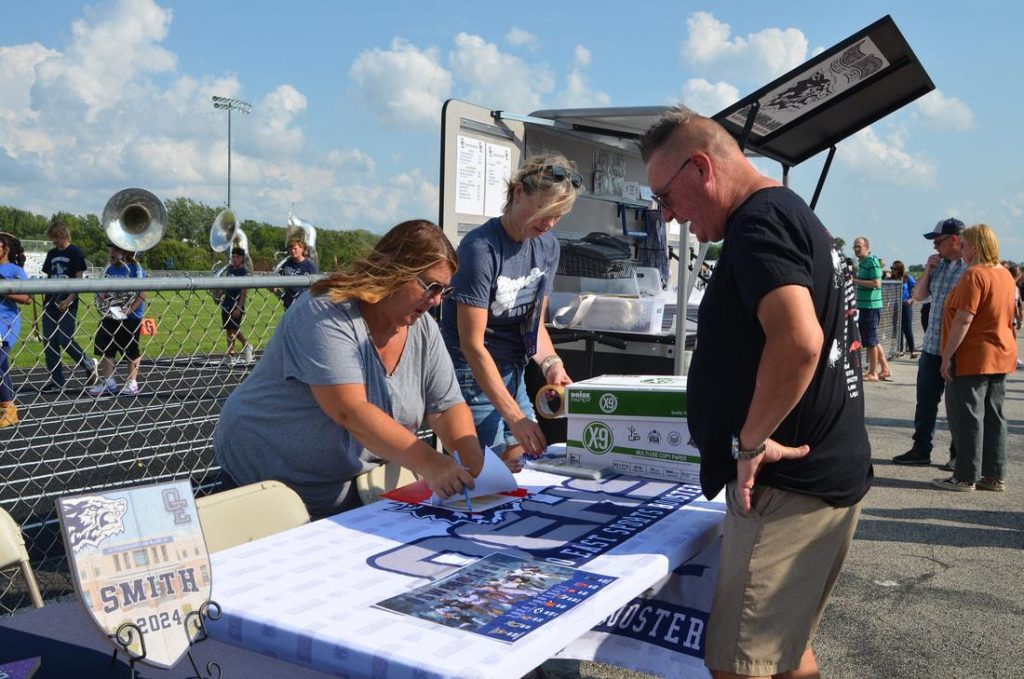
A Legacy Built Through Community Service and Youth Athletics
Every successful community has individuals who dedicate their time, energy, and passion to creating opportunities for future generations. While their efforts may not always receive public recognition, their impact can be felt for decades. The history of the SF Booster Club is one such story. It is a story of service, leadership, volunteerism, and a deep commitment to helping young people succeed both on and off the basketball court.
At first glance, the SF Booster Club may appear to be a youth sports organization focused primarily on basketball. However, its story is much bigger than sports. The club became a powerful force for youth development, community involvement, and personal growth. Through the dedication of volunteers, coaches, parents, and community leaders, the organization helped shape generations of young athletes while strengthening the bonds that connected the people of Seneca Falls.
The story captured in the SF Booster Club book demonstrates how a small group of determined individuals built an organization that would leave a lasting mark on the community. Their efforts created opportunities for children, inspired families to become involved, and established traditions that continue to influence local youth programs today.
To understand the lasting impact of the SF Booster Club, we must first look back at where it all began.
The Origins of the SF Booster Club
Like many meaningful community initiatives, the SF Booster Club was created to address a need. During its early years, organized youth athletic opportunities were limited. Community leaders recognized that many young people needed positive activities that would help them develop confidence, discipline, teamwork, and responsibility.
Basketball quickly emerged as an ideal solution. It was accessible, affordable, and capable of bringing people together. More importantly, local residents understood that sports could serve as a powerful teaching tool. They believed athletics could help children learn life lessons while creating opportunities for personal growth.
A group of dedicated volunteers began discussing ways to improve opportunities for local youth. They wanted to create an environment where children could participate regardless of their background or skill level. Their goal was never simply to build winning teams. Instead, they focused on creating opportunities for learning, development, and community engagement.
The founders faced many challenges. Funding was limited. Facilities were modest. Equipment was often scarce. Yet their determination never wavered. They understood that lasting change requires commitment, patience, and hard work.
What started as a simple idea gradually evolved into a community movement. The values established during those early years service, volunteerism, and youth development would continue guiding the organization for decades to come.
Many readers discover these inspiring beginnings through More Than 25 Cents Dennis Pysnack, which highlights the vision and dedication that helped establish the foundation of the club.
The Founding Members and Early Leadership
Behind every successful organization are individuals willing to step forward and lead. The SF Booster Club benefited from a remarkable group of community members who believed deeply in its mission.
These founders were not seeking personal recognition. They simply wanted to create opportunities for local children. Their willingness to volunteer their time and energy became the cornerstone of the organization’s success.
The early leadership team consisted of parents, educators, business owners, and community advocates who understood the value of youth athletics. They believed sports could teach important lessons while helping young people develop confidence and character.
Volunteerism became part of the club’s identity from the very beginning. Leaders often took on multiple responsibilities. They organized events, recruited coaches, coordinated schedules, managed fundraising efforts, and communicated with families. Everyone contributed wherever help was needed.
Their commitment inspired others to become involved. As participation increased, additional volunteers stepped forward to support the organization. This created a culture of teamwork and service that continues to define the club’s legacy today.
Strong leadership during the early years provided stability and direction. More importantly, it established a vision focused on youth development rather than short-term success. That vision became one of the key reasons the organization endured for generations.
Building the First Youth Basketball Programs
Once the organization was established, the focus shifted toward creating meaningful opportunities for young athletes.
The first basketball programs were simple compared to modern standards. Participation numbers were smaller, resources were limited, and facilities were often shared. Despite these challenges, enthusiasm was high.
Children were eager to play.
Parents were eager to support.
Coaches were eager to teach.
The initial programs focused heavily on participation and skill development. Coaches emphasized fundamentals such as dribbling, passing, shooting, and teamwork. Just as importantly, they taught sportsmanship, respect, and perseverance.
Imagine a child attending their first practice. They may have been nervous or uncertain about their abilities. Through encouragement and support, they gradually gained confidence. They learned that improvement comes through effort and dedication.
These experiences often became life-changing moments.
As participation grew, additional leagues and programs were introduced. More age divisions allowed greater inclusion. Competitive teams provided advanced athletes with opportunities to challenge themselves. Camps and clinics offered year round development opportunities.
The growth of these programs demonstrated the community’s commitment to investing in its youth. What began as a small initiative gradually evolved into a comprehensive athletic program serving hundreds of families.
Growth and Expansion Through the Years
The success of the SF Booster Club did not happen overnight. It was built gradually through years of dedication, planning, and community support.
As participation increased, the organization expanded its offerings. New leagues, tournaments, and development programs were introduced to meet growing demand. Youth athletes of various ages and skill levels could now participate in organized basketball activities.
Families recognized the value of these opportunities and encouraged their children to become involved. Community support continued growing as residents witnessed the positive impact the programs were having on local youth.
The organization also expanded beyond regular league competition. Summer camps, instructional clinics, special events, and tournaments became important components of the annual calendar. These activities provided additional opportunities for growth while strengthening community engagement.
Local businesses played an important role during this period of expansion. Sponsorships helped fund equipment purchases, facility improvements, and program development. Partnerships between the club and local organizations created valuable opportunities for continued growth.
This steady expansion reflected the community’s belief in the club’s mission and its commitment to serving future generations.
Many consider the organization’s history an important chapter in local history, making it a remarkable Seneca Falls community book that highlights the power of community collaboration and volunteer service.
The Heart of the Organization: Volunteers
No organization can thrive for decades without dedicated volunteers.
The SF Booster Club owes much of its success to the countless individuals who donated their time and energy to support young athletes.
Volunteers handled registrations, coordinated schedules, organized tournaments, maintained facilities, managed fundraising efforts, and performed countless other responsibilities behind the scenes. Their contributions often went unnoticed by spectators, yet they were essential to the organization’s success.
Many volunteers devoted years and sometimes decades of service to the club. They attended meetings, organized events, sold tickets, coordinated travel, and ensured that every season ran smoothly.
What motivated them?
The answer was simple.
They believed in helping young people succeed.
They understood that sports could positively influence lives.
They wanted to give back to their community.
The remarkable community booster club story of volunteer dedication serves as a powerful reminder that meaningful change often comes from ordinary people choosing to serve others.
Without volunteers, many youth sports programs simply would not exist.
Fundraising and Community Support
Running a successful youth sports organization requires more than passion. It also requires financial resources.Throughout its history, the SF Booster Club faced numerous financial challenges. Equipment needed to be purchased. Facilities required maintenance. Tournament expenses had to be covered. Scholarships and participation opportunities needed funding. Rather than allowing financial limitations to hinder progress, community members came together to find solutions.
Fundraising became a central part of the organization’s operations.
Bake sales, raffles, community dinners, sponsorship programs, tournaments, and special events helped generate the resources needed to sustain and grow the programs. Local businesses frequently contributed through sponsorships and donations.
The community’s willingness to support these efforts demonstrated how much people valued youth athletics.
Fundraising also strengthened relationships within the community. Families worked together toward common goals. Volunteers collaborated on projects. Businesses partnered with the organization to invest in local youth.
These efforts reinforced the idea that youth development was a shared responsibility.
The Impact on Youth Athletes
While facilities, tournaments, and fundraising efforts are important, the true success of the SF Booster Club is measured through its impact on young people.
Thousands of children participated in programs supported by the organization. Many entered the gym as shy, uncertain individuals and left with greater confidence, leadership skills, and self-belief.
Basketball taught valuable lessons.
Athletes learned teamwork and communication.
They learned how to handle success with humility and setbacks with resilience.
They learned discipline, responsibility, and commitment.
These lessons extended far beyond the basketball court.
Many former participants went on to become successful professionals, educators, business leaders, coaches, and community contributors. They often credit their youth sports experiences with helping shape their character and outlook on life.
The story documented in More Than 25 Cents Dennis Pysnack highlights many examples of young athletes whose lives were positively influenced through participation in these programs.
Their success represents the organization’s greatest achievement.
Memorable Moments and Milestones
Every organization develops defining moments throughout its history.
For the SF Booster Club, these moments included championship victories, successful tournaments, anniversary celebrations, facility improvements, and community recognition events.
Each milestone represented the collective effort of athletes, coaches, volunteers, and supporters.
Championship teams created excitement and pride. Special tournaments brought communities together. Facility upgrades improved opportunities for future generations.
Yet many of the most meaningful moments were not connected to trophies or banners.
They were found in friendships formed, lessons learned, and lives changed.
These memories continue to inspire participants and supporters long after individual seasons have ended.
Overcoming Challenges Through Determination
Like any long-standing organization, the SF Booster Club encountered obstacles.
Economic downturns created financial pressures.
Volunteer recruitment occasionally became difficult.
Facilities required upgrades and maintenance.
Changing participation trends presented new challenges.
Despite these obstacles, the organization remained resilient.
Leaders adapted to changing circumstances while staying true to their core mission. They recruited new volunteers, embraced new ideas, and developed innovative solutions to emerging challenges.
This ability to evolve while maintaining foundational values became one of the organization’s greatest strengths.
Successful organizations understand that adaptation is essential for long term sustainability.
The SF Booster Club demonstrated this principle repeatedly throughout its history.
Generations of Community Impact
Perhaps the most remarkable aspect of the SF Booster Club is its multi-generational influence.
Former players often returned as coaches, volunteers, and mentors.
Parents who once competed in club programs later watched their own children participate.
Families developed traditions centered around youth athletics and community involvement.
These connections created a powerful sense of continuity.
The organization became more than a sports program.
It became part of the community’s identity.
The inspiring community booster club story demonstrates how one organization can positively influence multiple generations while strengthening relationships throughout an entire community.
Its impact continues today through the people it helped shape.
Lessons Other Communities Can Learn
The history of the SF Booster Club offers valuable lessons for communities everywhere.
First, successful organizations begin with a clear mission. The club always focused on serving young people and creating opportunities for growth.
Second, volunteer engagement is essential. Sustainable programs depend upon individuals willing to invest their time and energy.
Third, strong leadership provides direction and stability. Effective leaders inspire others while remaining committed to long-term goals.
Fourth, community partnerships create opportunities for growth and sustainability.
Finally, youth development should always remain the primary focus.
Winning games is important.
Developing people is more important.
These principles helped transform a local basketball program into a lasting community institution.
The lessons documented in this SF Booster Club book provide a valuable roadmap for other organizations hoping to create meaningful impact through youth athletics.
Likewise, this inspiring Seneca Falls community book demonstrates what can happen when communities unite around a shared vision.
Preserving the Legacy of the SF Booster Club
The history of the SF Booster Club is not simply a story about basketball.
It is a story about people.
It is about volunteers who gave their time without expecting recognition.
It is about coaches who became mentors.
It is about parents who supported their children and strengthened their community.
It is about leaders who believed in investing in future generations.
Most importantly, it is about the thousands of young people whose lives were positively influenced through participation in youth athletics.
The legacy of the SF Booster Club cannot be measured solely through championships, trophies, or records.
Its true legacy can be found in the confidence it built, the opportunities it created, and the lives it helped shape.
That legacy continues today through every athlete, volunteer, coach, and family touched by the organization.
As communities look toward the future, the story of the SF Booster Club serves as a powerful reminder of what can be accomplished when people come together with a common purpose.
Support local youth sports programs.
Volunteer your time.
Mentor young athletes.
Invest in your community.
Because when communities work together, they create opportunities that can change lives for generations.
“Frequently Asked Questions”
What is the SF Booster Club?
The SF Booster Club is a community-based organization dedicated to supporting youth athletics, particularly basketball programs, through volunteer service, fundraising, and program development.
How did the SF Booster Club support youth basketball?
The club provided funding, equipment, coaching support, facilities, tournaments, and development opportunities for young athletes throughout the community.
Why are booster clubs important?
Booster clubs help sustain youth sports programs by providing financial support, volunteer leadership, community engagement, and resources that benefit young athletes.
How has the SF Booster Club impacted the community?
The organization has positively influenced generations of youth through sports participation, leadership development, mentorship, and community involvement.
What lessons can other communities learn from the SF Booster Club?
Communities can learn the importance of volunteerism, strong leadership, community partnerships, youth development, and long-term commitment to service.
Why is the history of the SF Booster Club significant?
Its history demonstrates how a dedicated group of volunteers can create opportunities, strengthen communities, and build a lasting legacy that benefits future generations.